Faculty Spotlight: Dr. John Bass
Associate Professor of Music | Director, Mike Curb Institute for Music
Tell us about yourself and your role at Rhodes.
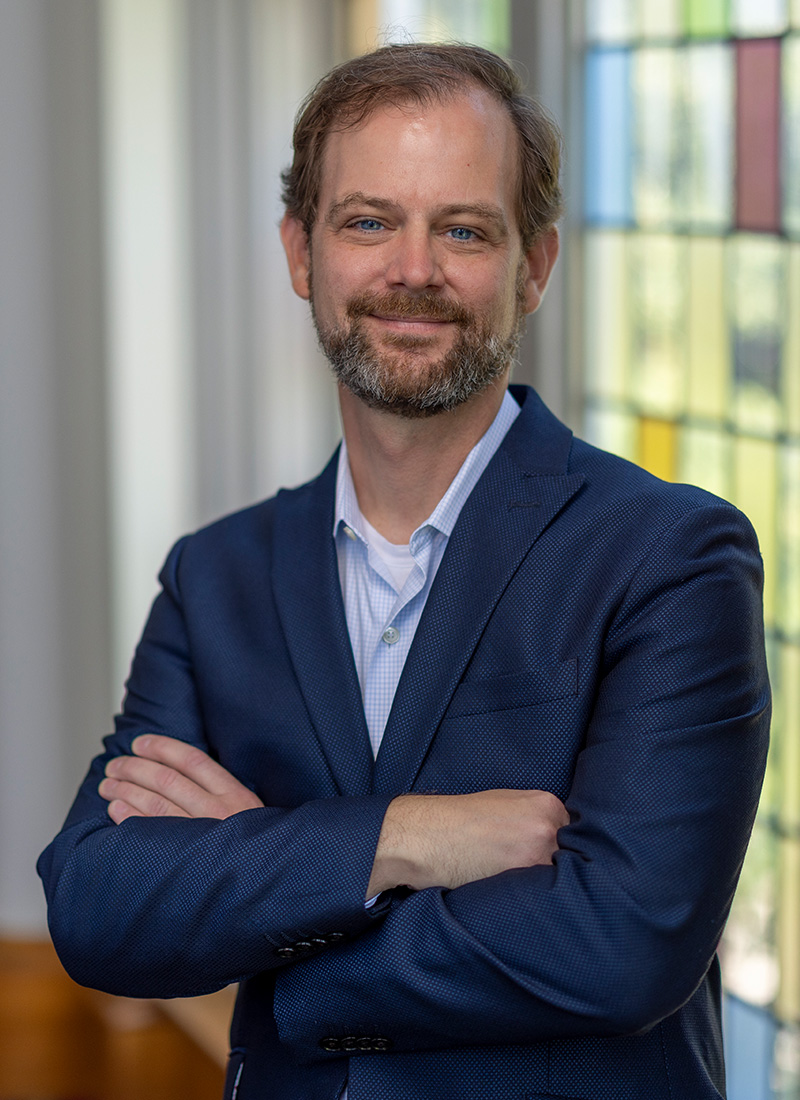
My name is John Bass. I’m an Associate Professor of Music and the Director of the Mike Curb Institute for Music. This is my 21st year at Rhodes, and I’ve directed the Curb Institute since 2010. Alongside teaching, I work closely with students through the Institute’s fellowships, events, and community partnerships—connecting learning to Memphis music in real, practical ways.
Tell us about your work in the community.
The Curb Institute exists to connect students to Memphis music—historically and present-day—through experiential learning. Rather than trying to teach everything in the classroom, our model is: learn the basics, then learn from people doing the work. That means partnering with Memphis musicians, venues, studios, and arts organizations so students can learn directly from industry leaders while contributing to real projects.
Memphis is a complicated and extraordinary music city—blues, soul, rock ’n’ roll, and Southern hip-hop have all been shaped here. Our work helps students understand that history not as something distant, but as something created by young people—then challenges them to ask: what do you want to build now?
Who are some community partners you collaborate with?
Curb fellows and students have learned alongside and through partners such as:
- Overton Park Shell (including behind-the-scenes production exposure and community events)
- Stax Museum
- Royal Studios (including internships with Boo Mitchell)
- Crosstown Arts
- Memphis Public Libraries (including public jazz performances)
A big part of what makes this possible is Memphis’s collaborative spirit—people are often willing to say “yes” to students who are eager to learn and contribute.
What projects are you currently excited about?
A few highlights coming up:
- Five Fridays of Jazz at the Benjamin L. Hooks Central Library (Spring series) — featuring Joyce Cobb with Rhodes jazz faculty and student ensembles (Feb. 27). This partnership helps expand access by bringing performances into a truly public, welcoming space.
- A collaboration with Crosstown Arts, tying coursework directly to live performance—songwriting students will learn from visiting artists, and audio engineering students will shadow real production work.
- The annual Curb Block Party (April 10) — a campus-wide event planned and produced by students, from artist booking to logistics and production.
How can students get involved with the Curb Institute?
Each year, 30–50 students engage with the Institute at different levels. The main entry point is the course Music and Community in Memphis (cross-listed in Music and Urban Studies). Students who want deeper involvement can become Curb Fellows, join student project teams, contribute to events, or use Institute resources (including creative projects like the Curb zine and recording work).
The goal is to make participation flexible—students can contribute in ways that fit their Rhodes life, whether that’s a few hours a semester or deeper leadership roles.
What inspires you to do this work?
I’m inspired by young people and the way they shape history. I don’t see history as something “old people did”—I see it as what young people did in their own time when they wanted to make something different. That energy still exists in students today. My job is to help them connect to Memphis’s music legacy, build skills, learn how to work with others, and create projects that reflect who they are and what they want the world to become.
How does music build community on campus?
Music has a unique ability to bring people together across difference—across majors, roles, and backgrounds. At Rhodes, you don’t have to be a music major to belong in this community. We use events like the Curb Block Party to create spaces where students, faculty, and staff can gather easily and feel welcome. For me, building that kind of campus community matters even more than the products we create—it’s the foundation of everything
Student Highlight: Lee Jones '27
Psychology Major | Mike Curb Institute for Music Fellow
Major: Psychology
From Memphis? No
Tell us about your community involvement experience.
I am a Fellow and Team Leader at the Mike Curb Institute for Music, where I oversee audio productionfor Institute projects and events. I am currently working on putting out a live EP with my band! We are a band named Axed, and we have been a band for about 2 years. We are in the process of mixing and finalizing the EP and want to use it to start performing in Memphis. I also help plan and coordinate sound for various events on campus. This is also fun because it helps strengthen the Rhodes community!

What inspires or motivates you to get involved in the community?
I believe music is a powerful bonding experience where people can learn from one another and create something special together. I’m inspired by the passion people bring to different genres, instruments, and styles of music. Being involved helps build a deeper appreciation for music in all its forms.
What has been some of your favorite projects to work on?
My favorite project to work on will always be the Curb Jam sessions. At these sessions, we bring together students with a wide range of talents, instruments, and genres to jam. Getting people who are interested in different areas of music together helps build up the community and gets people interested in different forms of music. I always leave the session having met a new friend or found a new form of music to listen to.
How has the experience been in regard to connecting you to the Memphis community?
Fantastic! The Curb Institute is built on helping each other and the community. I have never struggled to get in contact with members in the Memphis community through the institute. Moreover, I find that many people care about the institute and want to help out.
What do you love about it?
I love creating events and opportunities that bring musicians of different skill levels, instruments, and genres together. Connecting through music helps cultivate a strong sense of culture and community at Rhodes.
How has this experience impacted your commitment to the Memphis community?
Music is at the heart of Memphis. Working with others to create music and helping connect musicians to resources allows me to contribute to and strengthen the city’s vibrant music scene.
What do you hope to do post-graduation?
I plan to become a therapist! After college, I want to get my Master's in Social Work. Learning and helping people with their mental health is something I am deeply passionate about. Moreover, I believe that music can be a powerful mechanism that impacts people’s mental health.
What’s one thing you want others to know about getting involved?
Don’t be afraid to play or participate! Music is always fun to create—no matter your skill level. Even just attending events helps build community and support artists.
How can others get involved?
Students can start by emailing Dr. Bass and enrolling in MUSC 262: Music & Community in Memphis. In this course, students learn about the Curb Institute and collaborate on creative, community-based projects.
Professional Highlight: Kevin Houston
Audio Engineering Instructor | Professional Audio Engineer | Adjunct Professor
Tell us about yourself and your role at Rhodes.
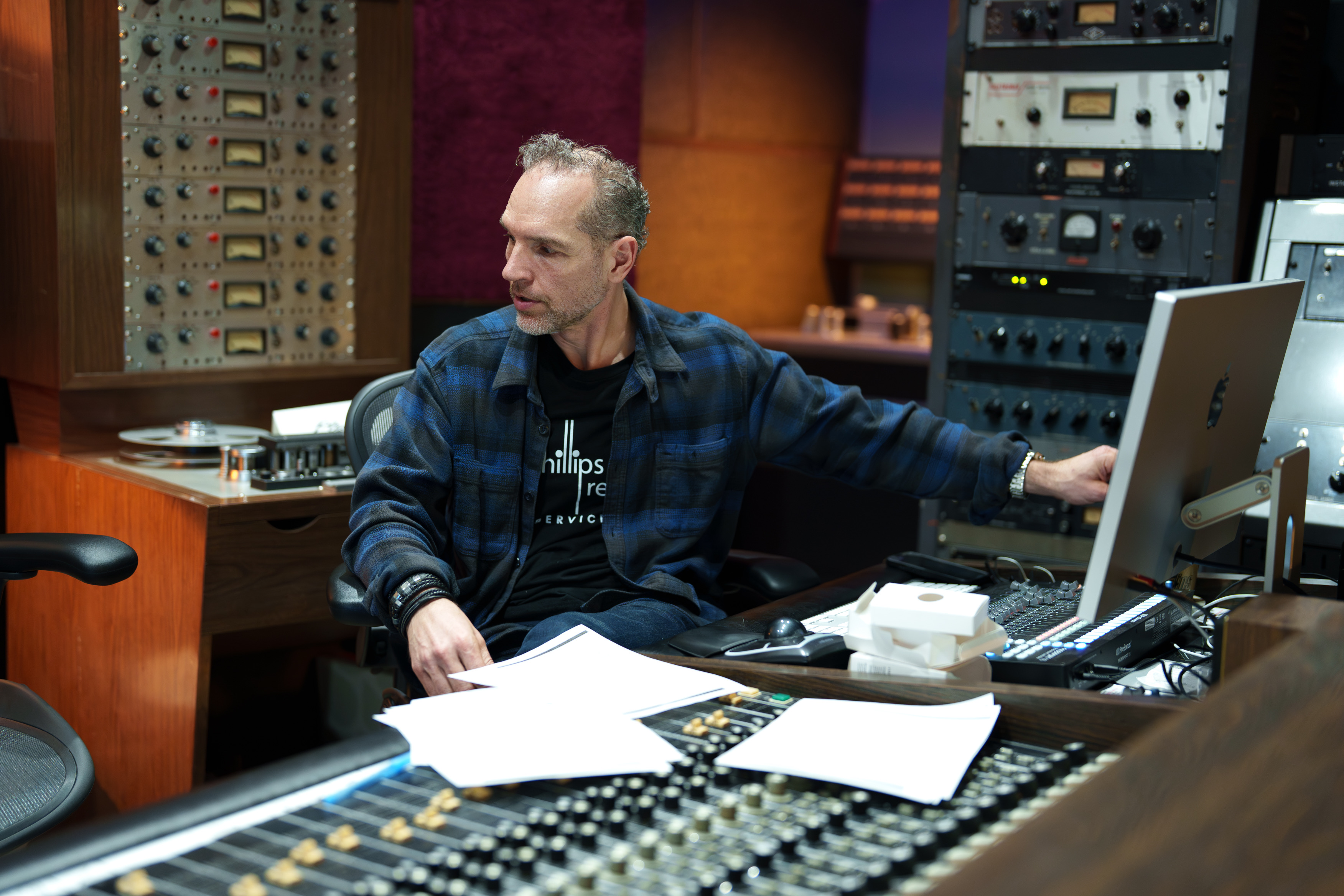
My name is Kevin Houston, and I teach Audio Engineering at Rhodes College each spring. This is my eighth year teaching at Rhodes, and I’m celebrating my 31st year as a professional audio engineer. Over my career, I’ve worked on 12 Grammy-nominated projects, collaborated with filmmakers and recording artists with both local and global impact, and remained deeply rooted in the Memphis music scene. I’m also a musician—I play saxophone and guitar—which continues to shape how I approach my work in the studio and the classroom.
Tell us about your work in the community.
I freelance across Memphis, working in many of the city’s historic and contemporary studios, including Sam Phillips Recording, Royal Studios, Ardent Studios, and others. Memphis has long been a recording city—a place where different cultural influences mix freely and creativity isn’t confined to one genre or sound. That openness allows artists to experiment, collaborate, and create music that is uniquely Memphis.
One recent project I’m especially proud of is my work on Craig Brewer’s film Songs of Blue, where I recorded much of the music under the direction of longtime collaborator Scott Bomar. I’ve also recently completed projects with artists from across the country, including jazz, country, and alternative groups—often working across multiple studios in a single month.
What is it like working in the Memphis music community?
Memphis is a place where individuality is embraced. Unlike industry-driven cities that can pressure artists to fit a mold, Memphis allows musicians and producers to be themselves. That ethos goes back to figures like Sam Phillips, who focused on making great music without concern for convention—and that spirit still shapes the city today.
The music community here is collaborative and relationship-driven. Musicians play in multiple bands, producers share studio space, and one project often leads to another. That sense of shared creativity is what makes Memphis such a powerful place to learn, work, and build community through music.
Tell us about the class you teach at Rhodes.
The Audio Engineering course introduces students to recording technology, studio practices, and the philosophies behind making meaningful music. But the class is about more than equipment—it’s about legacy. I’ve been fortunate to learn from incredible mentors, and teaching allows me to pass those philosophies on to the next generation of music makers.
Students also take field trips to multiple studios around Memphis, where my colleagues generously open their doors to share real-world insight into the profession. These experiences help students see how music production actually works—and how relationships and collaboration are just as important as technical skill.
What inspires you to do this work?
I have a need to create—it’s not optional for me. Music, film, and art transcend any one person, and being part of that process is deeply meaningful. Teaching allows that work to live beyond the records I make; it lives on in the work my students will create.
I’m also inspired by collaboration. When people are striving to do their best work, that energy becomes contagious—and together, you create something bigger than yourself.
How does music build community?
Music is inherently communal. While you can create alone, collaboration amplifies both impact and joy. In Memphis, music communities form organically—through friendships, shared projects, and mutual support. I take pride in working across studios and genres, building relationships that allow students to see how welcoming and interconnected this creative ecosystem really is.
Teaching also keeps me connected to emerging artists and ideas. Music is multi-generational, and staying engaged with students helps me remain connected to what’s new, evolving, and meaningful—while also giving back to the community that shaped me.
How can students get involved?
Students interested in audio engineering, music production, or community-based creative work are encouraged to get involved through the Mike Curb Institute for Music. The Institute offers workshops, fellowships, studio access, and hands-on projects, including publications like the student-run Dredge zine.
While there are no formal prerequisites for the Audio Engineering class, students should connect with the Curb Institute to explore opportunities, learn the studio basics, andfind ways to participate in ongoing projects.
Final thoughts
I’m incredibly grateful to be part of the Rhodes community. From teaching and mentoring students to watching Rhodes engage meaningfully with Memphis through music and the arts, it’s rewarding to be part of an institution that values creativity, collaboration, and community connection.
Community Partner Spotlight: Overton Park Shell
Interview with Natalie Wilson, Executive Director
Tell us about the organization and your role.
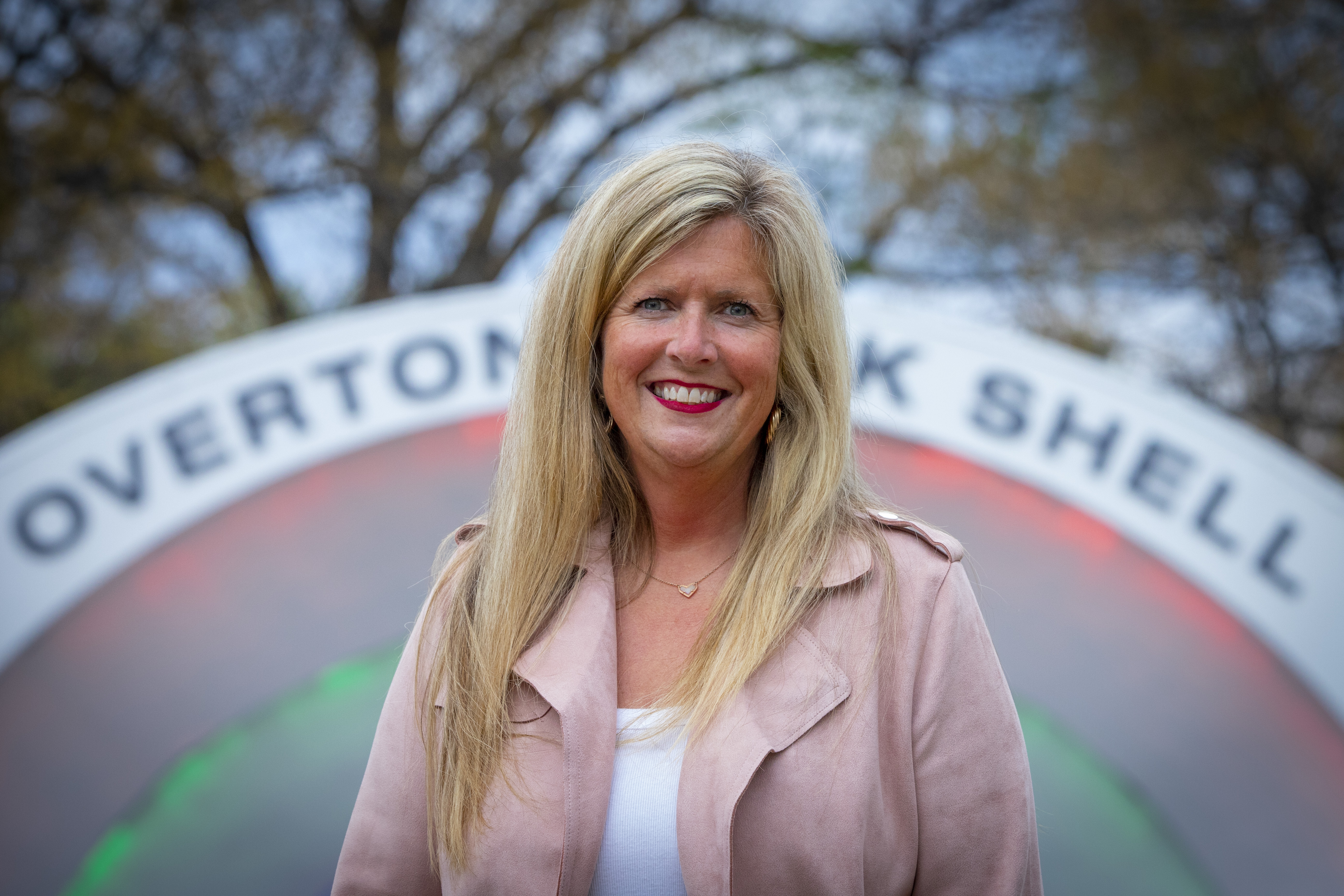
The Overton Park Shell is a historic outdoor music venue in Midtown Memphis dedicated to building community through music and the performing arts. I’m Natalie Wilson, and I’ve served as Executive Director for the past seven years. As we approach our 90th anniversary, the Shell continues to serve as a gathering place where people from all walks of life come together—unified by music, shared experience, and joy.
How would you describe the Shell’s impact in Memphis, and who do you serve?
For nearly a century, the Shell has been a cornerstone of community life in Memphis. While our programming centers on music and the performing arts, our broader impact is about connection. The Shell is a public gathering space where people find belonging, purpose, and opportunity—especially during times when our society needs places that foster unity, joy, and hope.
Nearly 98% of our programming is free, ensuring that access to music and the arts is not limited by income or background. The Shell’s impact extends far beyond performances—it’s about what it means to the people who gather here week after week.
What makes the Shell work behind the scenes?
The Shell is truly a people-powered mission. While it is a venue and green space, it’s the people—staff, interns, volunteers, artists, and guests—who make it come alive. With a small full-time staff of nine, we rely heavily on our internship and volunteer programs to meet the needs of our mission.
We’re proud of our 18-year partnership with Rhodes College, which plays a vital role in powering the Shell. Rhodes students serve in meaningful roles across the organization, helping us prepare for performances, support programming, and extend our reach throughout the city.
How are Rhodes students involved?
Each year, approximately 10 Rhodes interns join our team, contributing across multiple areas, including:
- Grant writing, development, and fundraising
- Marketing and communications
- Merchandise and hospitality
- Operations and event logistics
- Social media and content creation
- Volunteer coordination
- Videography/Film
Many students join us in the spring to prepare for the summer season, while others work with us through the summer and into the fall. I especially love hiring Rhodes graduates to join our staff—students leave with real-world experience that prepares them for careers in arts, nonprofit leadership, and community engagement.
What role do volunteers play at the Shell?
Volunteers are essential. On a typical weekend, about 60 volunteers help support our shows. One of the most beloved traditions they support is “passing the bucket.”
Dating back to 1936, when the Shell first opened during the Great Depression, passing the bucket allowed audiences to contribute what they could to keep performances free. That tradition continues today—children drop in pennies, adults give dollars, and every contribution helps sustain free access for all.
Volunteers also support hospitality, assist guests, help artists backstage, support sponsors, and ensure everyone feels welcome and cared for during events.
Is there a project or story you’re especially proud of?
One of the projects I’m most proud of is Shell on Wheels, our mobile performance stage. In 2019, a conversation with Rhodes faculty partner Dr. John Bass sparked the realization that if community is our mission, we can’t expect everyone to come to us—we have to go to them.
Shell on Wheels allows us to bring live music and performances directly into neighborhoods across Memphis, meeting people where they are with an equity-centered approach. The mobile Shell has since traveled throughout the city and to Rhodes campus events, extending our reach and reimagining what access to the arts can look like.
What inspires you to do this work?
I’ve known since high school that my life’s work would center on service and community. Every weekend, I hear stories from people who grew up coming to the Shell—memories that span generations. That personal connection, combined with the joy and unity I witness on the lawn, inspires me daily.
When people speak negatively about Memphis, I think about what I see every weekend: families, neighbors, strangers, all coming together in joy. The Shell has deepened my love for this city and reaffirmed my belief in what community-centered spaces can do.
How can others get involved or connected?
The best place to start is overtonparkshell.org, where you can learn about upcoming shows, volunteer opportunities, internships, and programs. You can also follow the Shell on social media to stay up to date on events and ways to engage.
As we look toward the Shell’s 90th anniversary and Rhodes College’s 100 years in Memphis, we’re grateful for a partnership rooted in history—and excited about what we can continue building together.