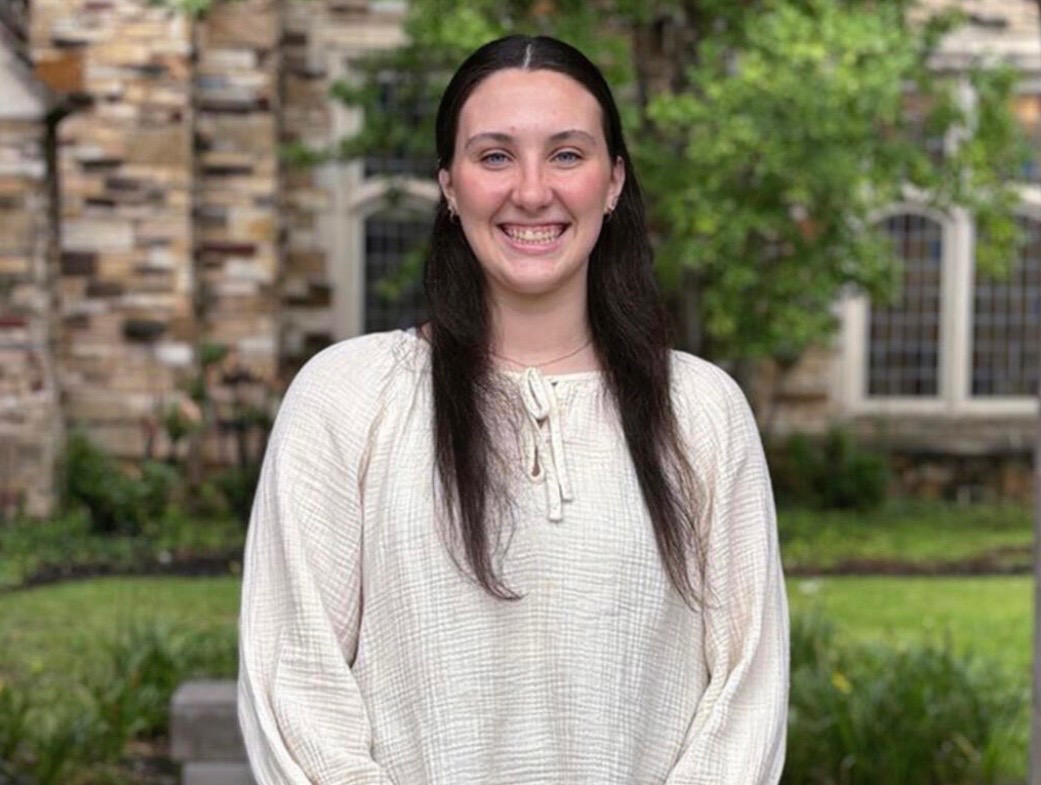
Student Spotlight: Laurel Phillips ’26
Philosophy & English Literature Double Major
Tell us about yourself.
My name is Laurel Phillips, and I’m a member of the Class of 2026, double majoring in Philosophy and English Literature. I’m originally from Atlanta, Georgia.
Tell us about your community involvement experience.
This is my second year participating in the Liberal Arts in Prison (LAIP) program. Last year, I served as a volunteer, and this year I’m one of the program’s Student Directors.
LAIP brings a Rhodes liberal arts education to incarcerated women at a medium-security facility in Henning, Tennessee. Each week, Rhodes students and faculty travel to the facility to lead in-person humanities classes—similar in spirit to seminar-style learning on campus. As a Student Director, I help lead our Thursday night sessions, which range from reading texts like the Old Testament to facilitating writing seminars.
What inspires or motivates you to get involved?
I’ve been incredibly fortunate to learn from peers and professors at Rhodes who show that the joy of learning often extends beyond the classroom—and grows when shared with others.
Experiences like LAIP remind me of the world beyond the Rhodes “bubble,” while also showing how much we have in common with others. That perspective continues to motivate me.
What do you love about this work?
The people—without question.
Through LAIP, I’ve built meaningful relationships with Rhodes faculty and students I may not have otherwise met. The time spent traveling together and working collaboratively has been incredibly valuable.
Most importantly, the students in the program have had a profound impact on me. Their curiosity, discipline, and passion for learning are deeply inspiring. Every class feels meaningful, and every conversation is an opportunity to grow.
How has this experience shaped your connection to Memphis and your community?
This program has strengthened my connections both within the Rhodes community and beyond it.
Working alongside incarcerated students has given me a new perspective on my education and my life. Through shared conversations and learning, I’ve seen firsthand the resilience, courage, and love of learning that these women carry with them.
This experience has encouraged me to continue finding ways to engage with my communities by doing what I love and sharing it with others.
What’s one thing you want others to know about getting involved?
You don’t have to take the Mass Incarceration class to get involved—although it’s an incredible starting point.
I initially got involved simply by reaching out to Dr. Haynes and beginning to volunteer. From there, I became more engaged and now help lead the program.
How can others get involved?
Taking the Mass Incarceration course is a great way to begin, as it includes visits to the prison and opportunities to engage directly with the program.
Students can also reach out directly to Dr. Haynes, who is always eager to welcome new volunteers into the program.
One perspective I hold:
Incarcerated individuals deserve forgiveness, and systems like the death penalty and life sentences raise important ethical questions about justice and humanity.
Faculty Spotlight: Dr. Stephen “Steve” Haynes
Professor of Religious Studies | Director, Liberal Arts in Prison Program
Tell us about yourself and your role at Rhodes.
My name is Stephen Haynes, though most people call me Steve. I’ve been at Rhodes since 1989, where I teach in the Department of Religious Studies. I also serve as the Director of the Liberal Arts in Prison Program.
Tell us about the work or projects you’re doing in the community.
The Liberal Arts in Prison Program is the primary focus of my work. Over the past few years, we’ve offered a Certificate in Liberal Arts at the women’s therapeutic residential center in Henning, Tennessee.

By the end of this academic year, we will have graduated approximately 42 students, with over 800 college credit hours earned by incarcerated women. Our classes meet twice a week, with Rhodes faculty traveling to teach and students participating as volunteers.
We’re now entering an exciting phase of growth. This fall, we plan to expand into a full Bachelor’s degree program and extend our certificate program to include the men’s facility as well.
Tell us about your community involvement experiences.
This work is deeply collaborative. We partner with the Tennessee Department of Correction, the Tennessee Higher Education Initiative, and the Tennessee Higher Education Commission, along with the administration at the facility itself.
Each of these partners plays a role in making the program possible, and the coordination across these organizations is essential to sustaining and expanding the work.
What inspires or motivates you to do this work?
I’ve been involved in prison education for about 10 years. It started with curiosity—I knew there was a need and wondered what role Rhodes could play.
In 2016, I began leading a reading group with incarcerated women, and I was immediately struck by their dedication, curiosity, and hunger for education. That experience stayed with me.
Since then, I’ve become deeply committed to this work—not only because of the relationships I’ve built with students, but also because of the outcomes. Seeing students graduate, return to their communities, and succeed has been incredibly meaningful.
How can others get involved?
Faculty who are interested in teaching can contact me directly—there are more opportunities now than ever before as the program expands.
For students, one of the best entry points is a course I teach called Mass Incarceration, a LIFE course offered in the fall. As part of the class, students visit the facility multiple times during the semester to serve as peer tutors. From there, many continue their involvement through ongoing volunteer opportunities.
One perspective I hold:
People who are incarcerated deserve access to higher education—and it should be free to them.
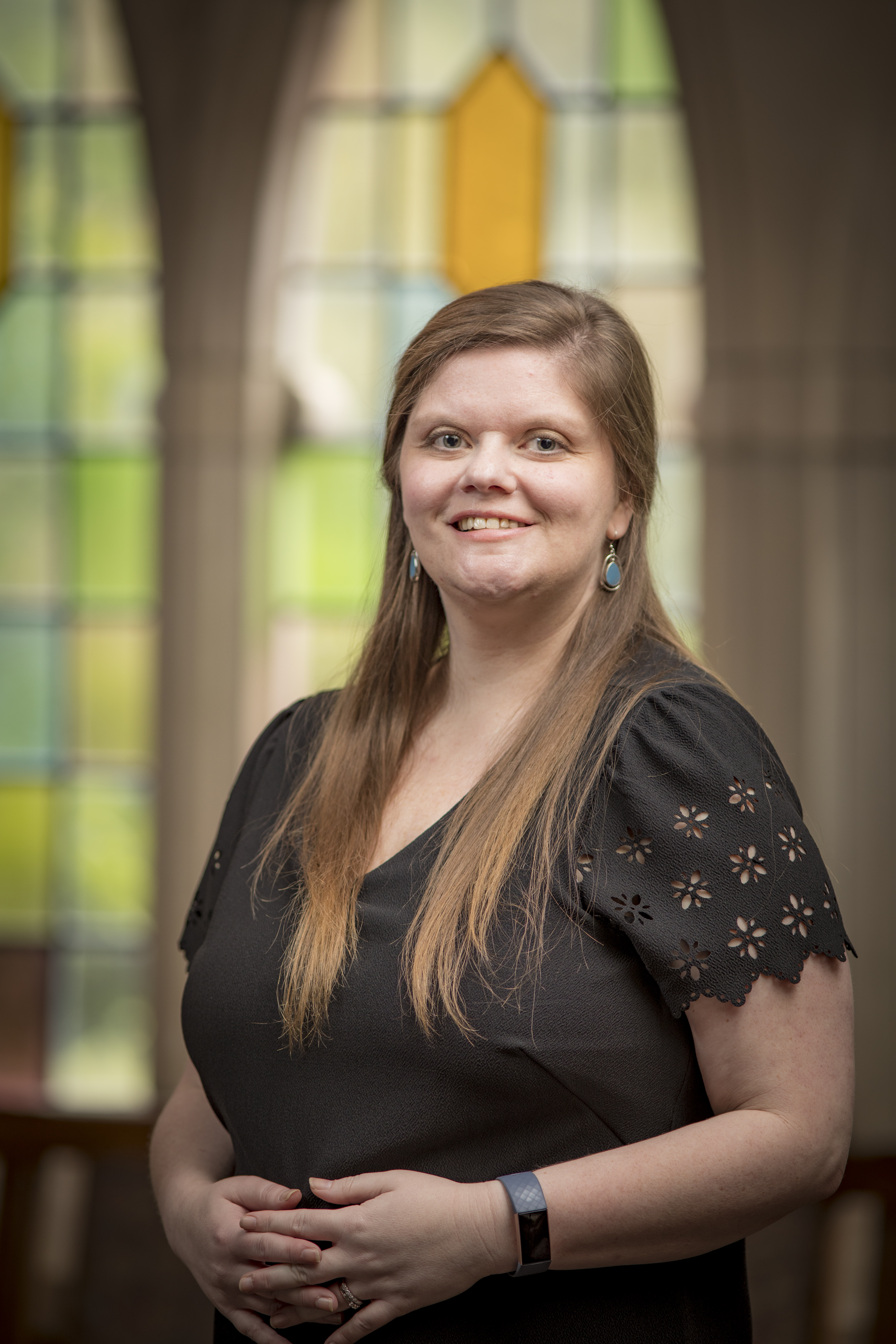
Faculty Spotlight: Anna Eldridge '02
Assistant Professor, Politics & Law | Director of Mock Trial & Law School Admissions Advising
Tell us about yourself and your role at Rhodes.
My name is Anna Eldridge, and I serve as the Director of Mock Trial and Law School Admissions Advising. I am also an Assistant Professor in the Department of Politics & Law.
Rhodes has been part of my journey for a long time. I graduated from Rhodes in 2002 with a degree in Political Science, returned in 2008 to coach Mock Trial, began adjunct teaching in 2011, and have been a full-time faculty member since 2014.
Tell us about the work or projects you’re doing in the community.
We’ve recently introduced two new courses that connect students directly to the Memphis legal community.
The first is the Just City Practicum, where students are trained and supervised as they participate in court watch programs through Just City. This allows them to observe firsthand how judges and attorneys operate within Memphis’ criminal courts while earning course credit.
We also created the Justice in the Memphis Courts lecture series, which brings in professionals from across the legal system—from forensic science to law enforcement—to help students understand how these different roles intersect within the local courts.
Tell us about your community involvement experiences.
Before becoming a full-time faculty member, I practiced law primarily in criminal defense. Until COVID, I maintained a pro bono practice assisting individuals with post-trial constitutional claims.
In my current role as a pre-law advisor, I regularly work with local legal professionals, organizations, and law schools to create opportunities for students pursuing careers in law.
I also volunteer with the American Mock Trial Association, where I co-write cases used by over 800 teams nationally and host a tournament in Memphis that relies on local attorneys and judges as volunteers.
What inspires or motivates you to do this work?
I’ve always been motivated by teaching, especially when it can connect to the community Rhodes is part of.
My interest in public defense began in law school after taking a Wrongful Convictions course and volunteering with the Innocence Project. That experience shaped my commitment to equity in the justice system and led me to spend much of my legal career doing pro bono criminal defense work.
Now, I’m inspired by the opportunity to teach students how they can contribute to making the justice system more equitable.
One perspective I hold:
Public interest work often requires just as much time and effort as more lucrative careers like corporate law or finance—but without the same financial benefits. It’s work that requires genuine passion and commitment.
Community Partner Spotlight: Josh Spickler ’97
Executive Director, Just City
Tell us about yourself.
My name is Josh Spickler, and I’m a Rhodes College Class of 1997 graduate. I currently serve as the Executive Director of Just City, a nonprofit organization based in Memphis focused on criminal justice reform.
Tell us about the work and projects you’re doing in the community.
At Just City, our work focuses on making the criminal legal system in Memphis more fair and equitable. A lot of what we do centers on addressing how access to money impacts justice outcomes.
We work on issues like bail reform, expungement, and court transparency through programs like court watch. We’ve also worked to eliminate expungement fees in Shelby County, helping remove barriers for people trying to move forward with their lives.
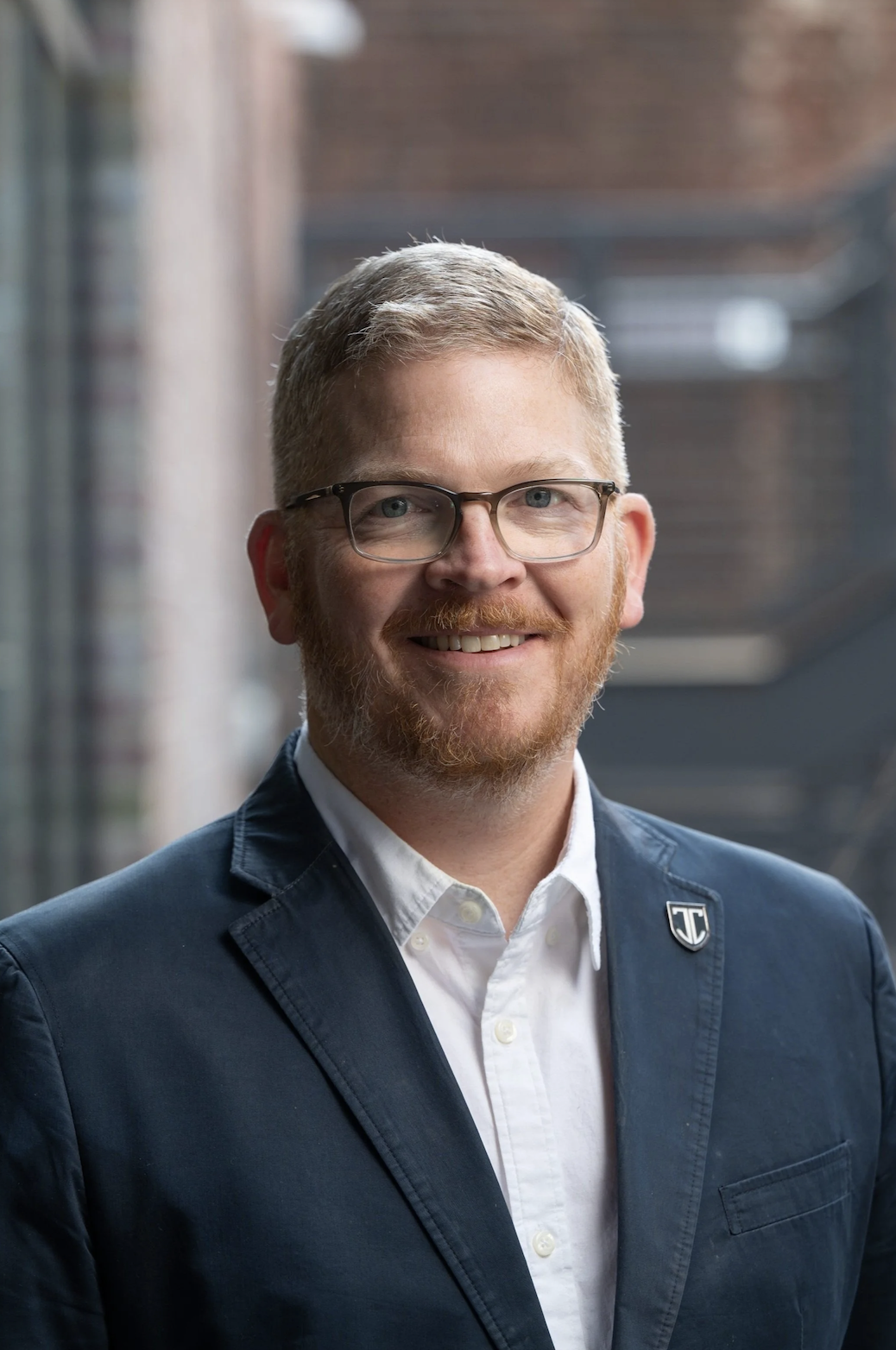
Ultimately, our goal is to create a system that treats people more fairly, regardless of their financial situation.
What organizations or partnerships are you involved with?
Our work involves collaboration with a range of partners across Memphis, including local courts, advocacy organizations, and community groups. We also work closely with volunteers—many of whom are Rhodes students—through initiatives like our court watch program, which brings more transparency and accountability to the system.
What inspires or motivates you to do this work?
I’m motivated by the belief that the justice system should be fair for everyone. Too often, outcomes are shaped by whether someone can afford bail or legal support. That reality continues to drive the work we do at Just City.
Is there a story or project you’re especially proud of?
One of the things I’m most proud of is our work to eliminate expungement fees in Shelby County. For many people, those fees were a major barrier to clearing their records and moving forward with employment, housing, and other opportunities.
Seeing that policy change—and the impact it has had on individuals—has been incredibly meaningful.
How can students or others get involved?
There are several ways to get involved with Just City. Students can participate in programs like court watch, which allows them to observe and better understand how the court system operates.
We also encourage people to stay informed, engage in advocacy efforts, and support organizations working toward a more equitable justice system.
What is one perspective or opinion you hold?
The criminal legal system should not operate differently based on how much money someone has—but too often, it does.